June 19, 2026
Saifullahi Abusufiyan
We are happy to announce a new partnership that will advance free knowledge movement in Nigeria and promote new ways to engage library community with the Wikimedia projects. The Hausa Wikimedians User Group officially signed a Memorandum of Understanding (MOU) with the National Library of Nigeria (NLN), Katsina Branch to work on a range of strategic activities, through agreed collaborative framework, on promoting open access, improving Wikipedia articles referencing, and sharing free knowledge through Wikimedia platforms and National Library resources and expertise.
The partnership MOU was jointly signed by the Branch Head of the National Library, Mrs. Amina Sayyadi Maje and Hausa Wikimedians UserGroup Community Lead, Mr. Ammar Abdulhamid at the conference room of the Library complex after a brief ceremony on Monday, 15th June, 2026.
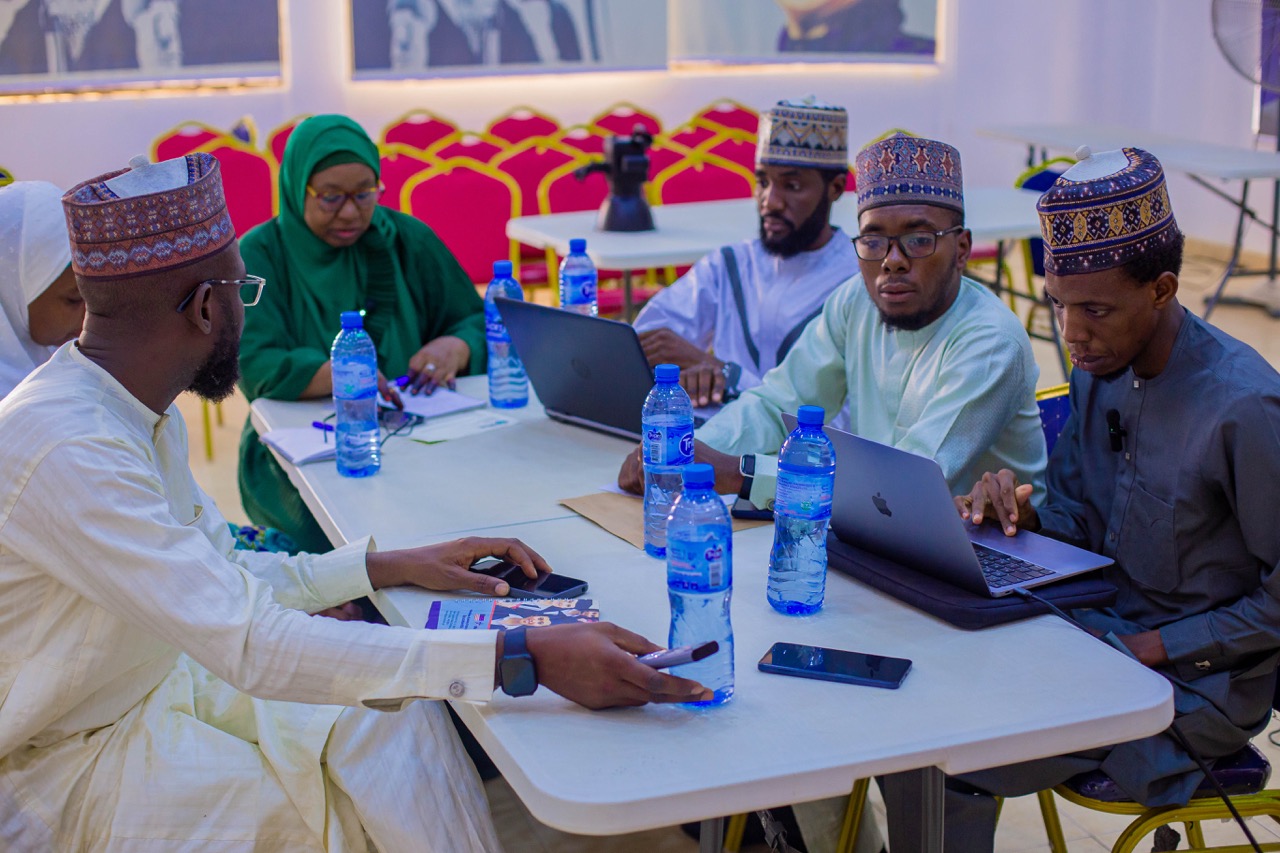
National Library Partnership
National Library and Wikimedia Hausa teams during the MOU signing ceremony. June, 2026
For the library; and for free knowledge
For generations, libraries have served as the ultimate custodians of knowledge. Similarly, the Wikimedia movement strives to ensure the sum of all human knowledge is freely accessible to everyone. Through this strategic collaboration, our user group and the National Library are turning physical stacks into global digital resources. This collaboration focuses on three core pillars: Promoting Free Knowledge, which involves digitizing and documenting local histories, and biographical data; Capacity Building, which focuses on training library staff and community on contributing to Wikipedia and its sister projects; and strengthening quality of Wikipedia, by utilizing the library’s vast resources to improve referencing and citations of Hausa Wikipedia articles.
A collaborative framework
Beyond the agreement signing ceremony, this partnership is a collaborative framework designed for long-lasting tangible community impact. Moving forward, the National Library in Katsina will serve as a vibrant hub for several key activities. First, we are launching the Wikipedia + Library training series, which will feature extensive hands-on workshops targeted at librarians, and library community.
Second, through leveraging the library's rich collection of Hausa literature, historical texts, and academic journals, we will co-organize programs to allow our community members to have direct access to vital offline materials. This hands-on access will allow volunteers to improve reference citations of Hausa Wikipedia articles on heritage, landmarks, and prominent political and cultural figures.
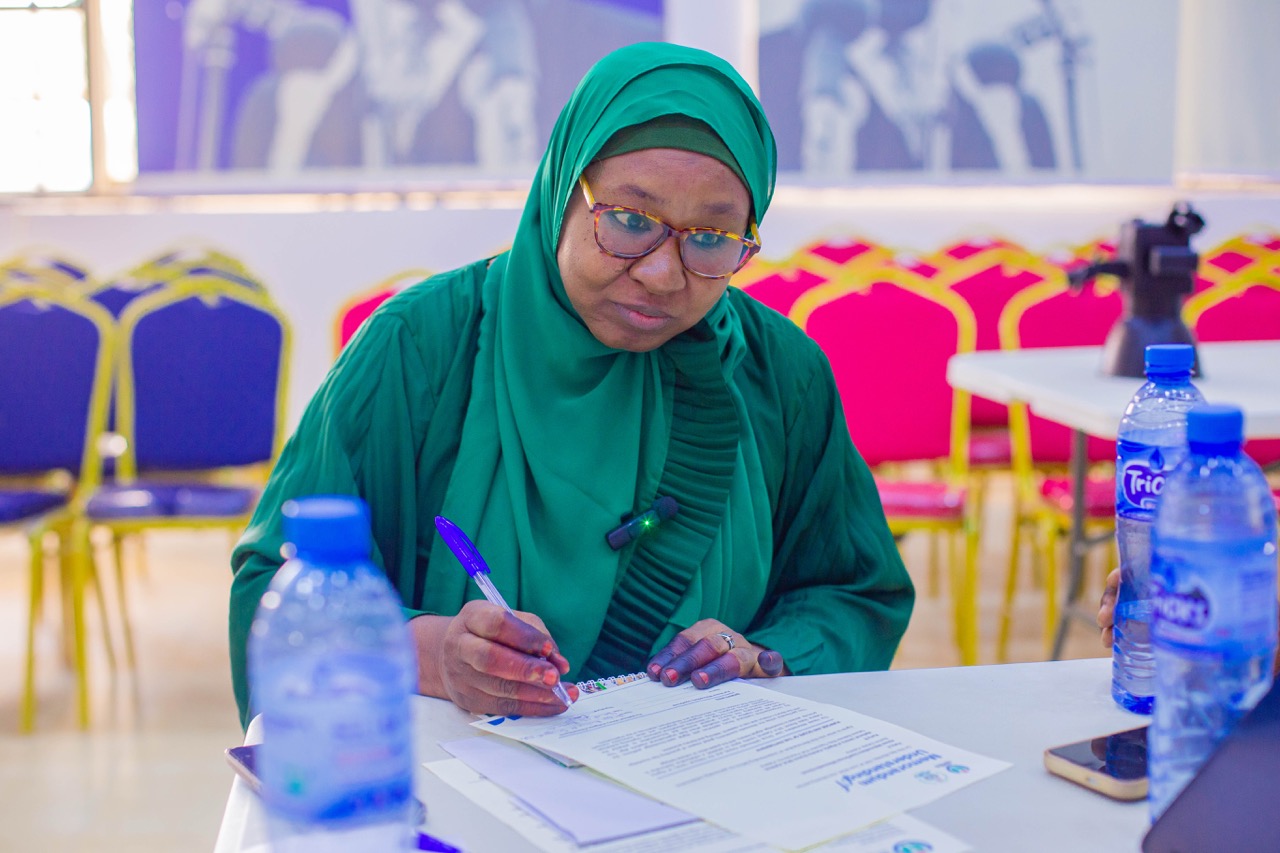
National Library Partnership
Branch Head National Library of Nigeria Mrs. A Sayyadi, signing the MOU. June, 2026
We will further work together on Open Access Advocacy, directly aligning with Wikimedia’s global mission to remove barriers to accessing knowledge. Our joint efforts will include collaborative workshops during major national literacy and library weeks and other event relevant to our shared mission. Together, we will advocate for open education resources and demonstrate how Creative Commons and open-licensing frameworks, the foundational value of the Wikimedia movement, can actively preserve, digitize, and scale the Hausa language and Hausa Wikipedia and advance our overaching vision of a world where everyone shares in the sum of all human knowledge.
Voices from the partnership signing ceremony
In her speech, the Branch head, Mrs. Sayyadi notably remarked that “Libraries and Wikipedia are not competitors; they are natural allies”. She further stated “this partnership will allow us to take the wealth of knowledge kept within our walls and share it to improve Wikimedia platforms”.
“Some of our staff have already participated in Wikipedia training in the past through the African Library and Information Associations and Institutions (AfLIA) programs, so we are not starting from scratch. We understand the platform's potential and look forward to deepening this partnership”; she concluded.
On behalf of the Hausa Wikimedians User Group, the Community Lead, Abdulhamid commented that “This is a monumental step for us. Partnering with the National Library has been on our roadmap for some time and it will not only be beneficial in terms of the structured framework we agreed on, but it will also give our volunteers and community members access to incredible reference materials to improve variety of content that lacks coverage in western media and books”.